Orio customer stories: The studios letting players build.
Results measured on the studio's own baseline, not ours.
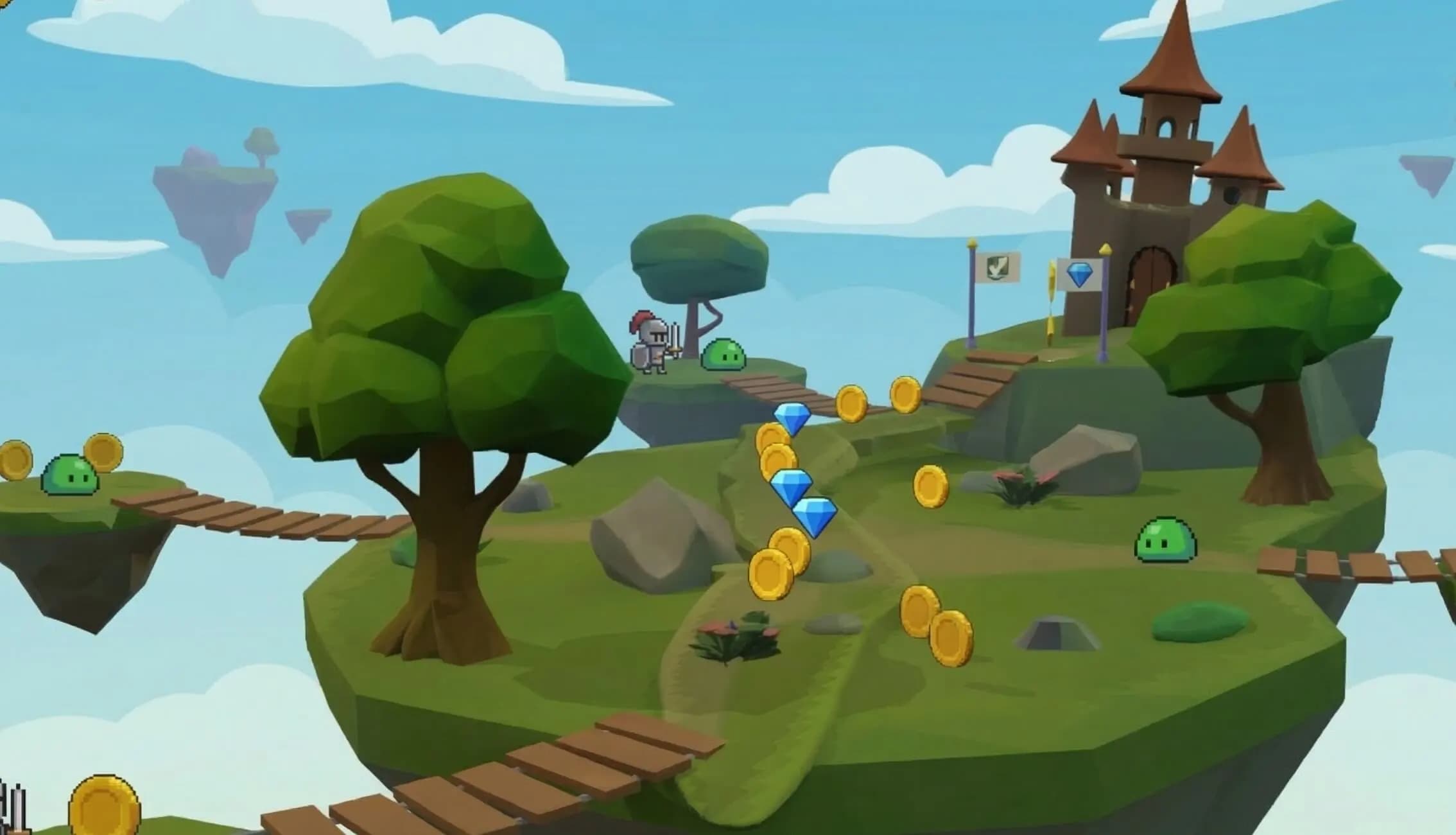
Their game. Their engine. Their baseline.
An established community, a fixed content calendar, and a familiar slide in daily players between drops. Orio ran on their own build for a full season.

Scope and baseline
We agree the metrics before anything is installed.
SDK integration
About a day of one engineer's time, on a private build.
Internal build
The studio team creates and reviews before players see it.
Players in
Rolled out to the community, measured against the baseline.

How Ryzom held daily players flat between seasons
A live title, a fixed calendar, and +35% DAU across the trough.

Reopening creation on a shelved platformer
206 player-made levels in a quarter with no new production.

Letting players build without loosening the rules
Progression and economy locked; 95% cleared verification.
Questions about pilots
+How are results measured?
On each studio's own baseline, not ours. The metrics are agreed before anything is installed, and results are measured against that baseline once players are in.
+How does a pilot run?
Week 0 sets the scope and baseline. In week 1 the SDK goes in — about a day of one engineer's time, on a private build. In weeks 2–3 the studio team creates and reviews before players see anything. From week 4 players are in, and results are measured against the baseline.

+What does a studio need to run a pilot?
Rights you can sign on your own, a game people are still playing, and someone who can green-light a pilot.
The best live games aren't buying content.
Their players are building it.
Ship new levels between updates in days, not quarters.
Let's try it on one of your titles.
We agree what success looks like before we start — in your metrics, not ours.